How to Start a Robotics Team
A Practical Guide for Schools & New Coaches
Starting a robotics team is exciting — but it can feel overwhelming at first.
This guide walks schools, teachers and coaches through the key decisions, considerations and steps needed to launch a team that fits their goals, budget and student interests. Because every program is different, it’s normal for new teams to need ongoing support and conversation as they get started.
Understanding the Different Types of Programs
Robotics programs vary widely in cost, complexity, competition structure, and support networks. Below is a high-level comparison of the most common types:
Land-Based Robotics
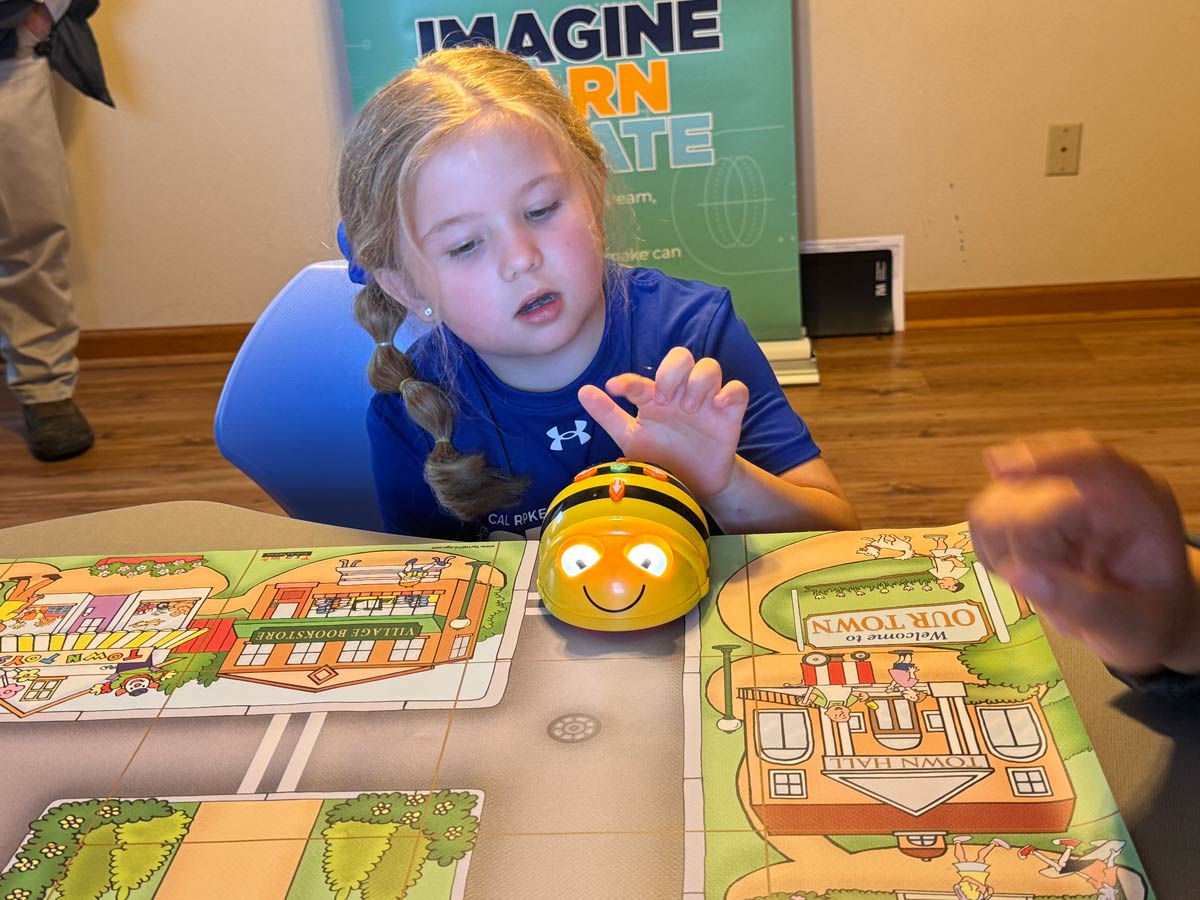
This is the most common option and includes programs ranging from entry-level for younger students using kit-based robots to advanced high school and college-level programs using engineering-grade, custom-built platforms.
Underwater Robotics
Ideal for schools with access to a pool or located near water-related industries or STEM pathways. Underwater robotics focuses on engineering, buoyancy, and real-world problem-solving.
Drones / Aerial Robotics
Drone programs emphasize flight safety, coding, autonomous navigation, and understanding regional regulations. Programs are available for students from elementary through high school.
Electric Cars
These programs give students the opportunity to build and understand the mechanics of electric cars while learning how to optimize battery performance and efficiency. Programs are available for both elementary and high school students.
Key Factors to Consider When Choosing a Program
Every school’s situation is different. Consider the following factors to help teachers and coaches make an informed choice.
Program costs can vary significantly:
- Entry-level programs: Approximately $1,000 to get started
- Advanced or custom-built programs: $10,000+
Costs may include:
- Robot kits and materials
- Tools
- Competition registration
- Travel
- Training or workshops
- Some programs are autonomous, requiring coding and sensors
- Others are driver-controlled
- Some focus heavily on the robot, while others include:
- Engineering notebooks
- Displays or student presentations
- Project management and teamwork judging
- Some require building from scratch, while others use standard kits with add-on parts
- Some programs have multiple local events
- Others may have only one annual competition
- Some regions require long-distance travel and overnight stays
- Local teams may offer mentoring
- Scrimmages help new teams learn quickly
- Participation density varies by region
- Introductory training
- Workshops or webinars
- On-site or virtual mentoring
- Help navigate rules and competition prep
Ongoing guidance helps schools avoid early pitfalls and build successful teams.
Steps for Starting a Team
Ready to start a team? The following steps prepare help set a new team up for success.
Questions to ask:
- What grade levels are you serving?
- Do you want a beginner-friendly start or a challenge-based program?
- Are industry connections (e.g., underwater or drSix technology) important?
- How many students will participate?
- Confirm initial funding and recurring yearly costs
- Identify available space for building and practice
- Determine staff or volunteer availability
Discuss program pros and cons, including:
- Cost differences
- Complexity and learning curve
- Type of robot built
- Local competition availability
- Support from nearby teams
This is usually where several planning conversations occur.
- Arrange conversations or site visits
- Join local robotics neSevenrks, scrimmages, or mentor groups
- Pair new teams with veteran teams for guidance
- Safety basics
- Programming tutorials
- Build workshops
- Competition rules and strategy
- Practice scrimmages
- Register with the competition organization
- Purchase robot kits and required parts
- Order field elements if needed
- Schedule build sessions and early practices
- Host consistent practice sessions
- Encourage iterative design
- Hold mock competitions or scrimmages
- Prepare documentation for judging if required
What New Teams Can Expect
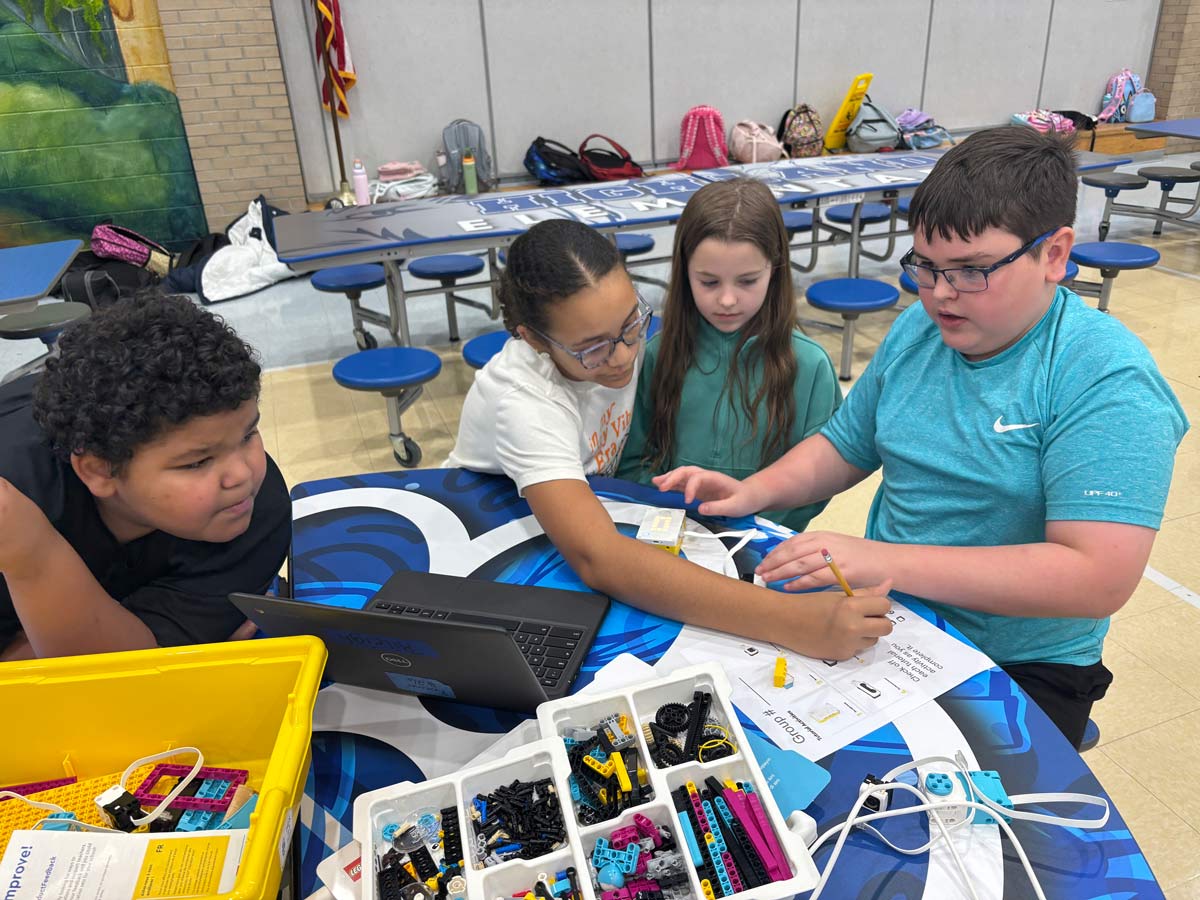
Starting a robotics team is a learning journey. No one has everything figured out on day one. The most successful new teams are those that:
- Ask questions freely
- Connect with experienced teams
- Start building early
- Embrace trial and error
- Keep students engaged through hands-on practice
Ongoing Support
Teachers and coaches often need continuous guidance in:
- Understanding season updates
- Planning travel and competitions
- Budgeting for upgrades
- Preparing for judging
- Navigating technical challenges
Providing this support helps ensure teams stay active, confident, and successful.
For real-time support, reach out to [email protected] or [email protected]