Zoologist
Science Career
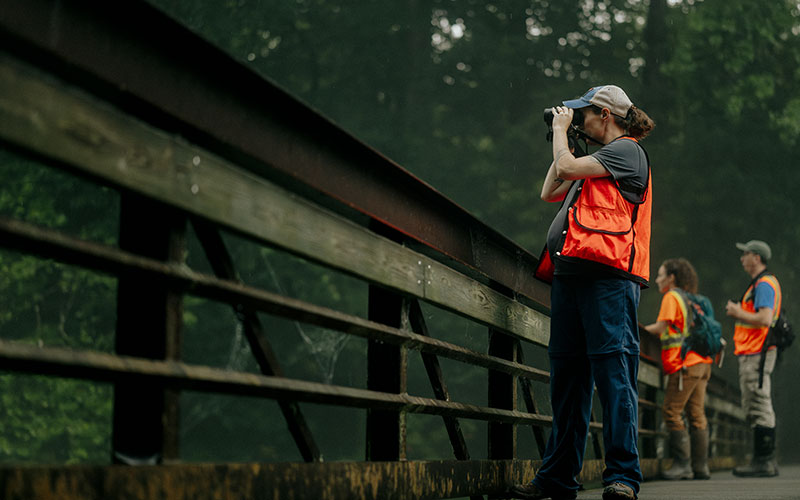
Sarah McLaughlin-Johnson doesn’t jump when she sees snakes, insects or amphibians like most people. Instead, she picks them up and explains why they’re important to the environment.
“I want people to know that bats, snakes, amphibians, and insects aren't scary,” she said.
She works as one of TVA’s Terrestrial zoologists.
The environment is where we live, work and play. The Valley region environment is home to many different species of wildlife, big and small. Each day, McLaughlin-Johnson helps TVA protect these important wildlife habitats.
A Day in the Life
Being good stewards of the environment is part of TVA’s mission. It goes hand-in-hand with creating energy and supporting the economy of the region.
TVA cares for more than 293,000 acres of public lands and more than 11,000 miles of shoreline.
McLaughlin-Johnson spends many days outside, learning more about the needs of the different types of wildlife that live in these areas. She collects samples, conducts research and takes part in wildlife monitoring.
Becoming a Zoologist
Do you consider yourself an animal whisperer or just a lover of anything outside? Then a career as a zoologist is just the one for you!
Most organizations require a four-year college degree.
Previous experience, on the job training.
Zoologists start out earning $55,865 and may earn a salary of up to $146,370.