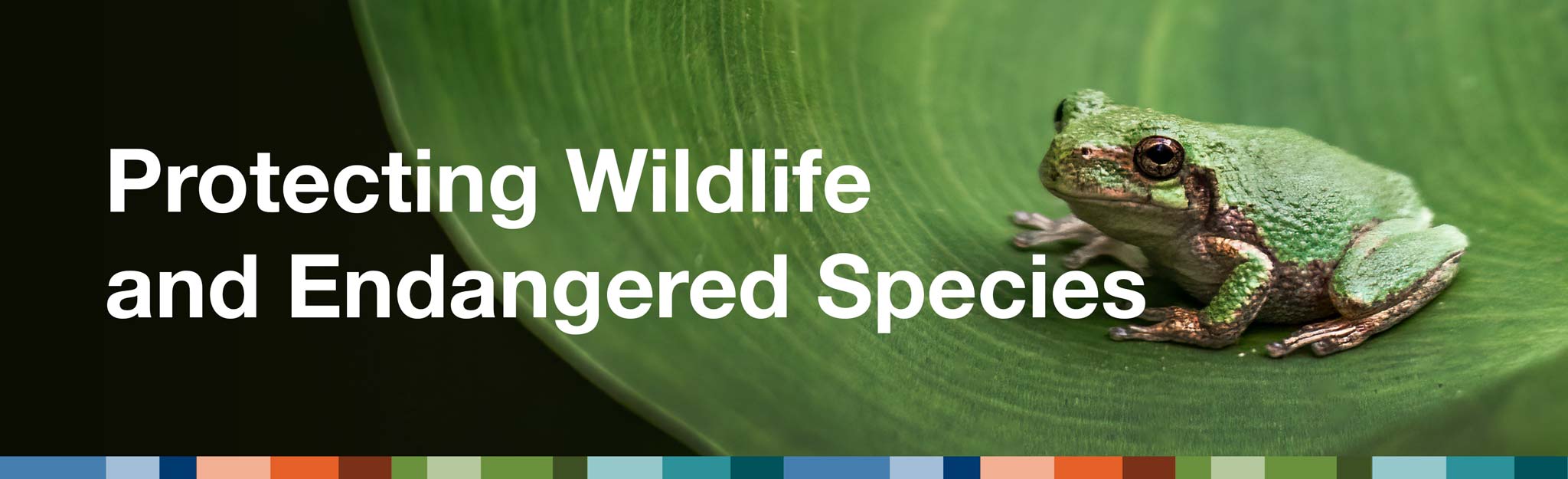
Protecting Wildlife and Endangered Species
TVA cares for 293,000 acres of public lands. Much of that land gives wildlife a safe place to live.
Public lands include:
Visitor Centers and Reservoir Recreation Areas
TVA Natural Areas for rare plants and animals
Undeveloped Lands where you can hike and watch wildlife
Endangered and Threatened Species
The Tennessee River is home to many plants and animals. Some of them are in trouble.
Endangered species are plants and animals that might disappear forever. Threatened species are at risk of becoming endangered soon.
There are many reasons a species may be endangered or threatened:

Changes in habitat:
More people or businesses moving into a region can change the habitat. Dams also change the habitat.

Pollution:
Chemicals or waste from farms, factories or homes can wash into the water, harming the organisms that depend on the water.

Disease:
Illnesses can spread through a species, like white-nose syndrome which harms bat populations.

Invasive species:
Non-native plants can take away food and resources from native plants.
How TVA Helps
TVA and the Nature Conservancy started the Natural Heritage Project in 1976 to study biodiversity on TVA lands and aquatic life found in the rivers and streams. The project helped TVA learn about the endangered and threatened species that live in the Valley region.
TVA manages about 60% of its public lands. Partners like state wildlife agencies care for wildlife refuges and other areas. They work with TVA to give plants and animals a healthy environment and protect natural areas for people of the region.
TVA works with scientists, schools, parks and volunteers to:
- Map rivers and count plants and animals
- Check water quality
- Restore habitats and improve river flow
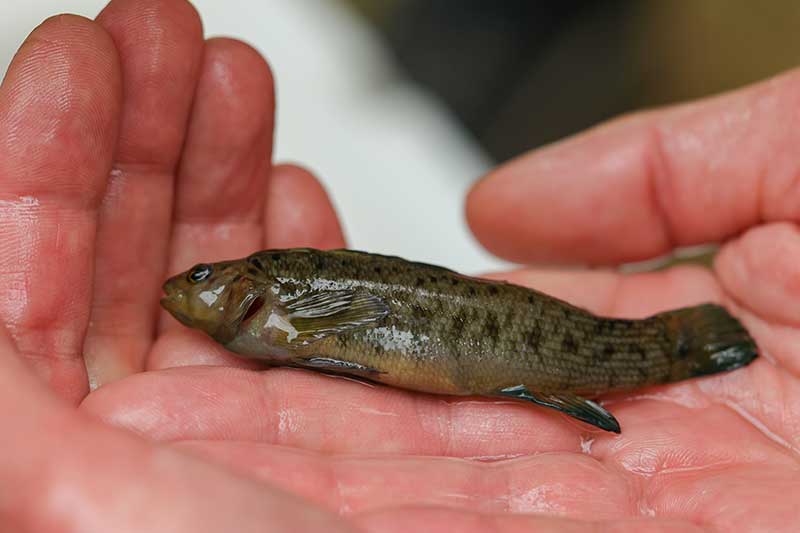
Success Stories
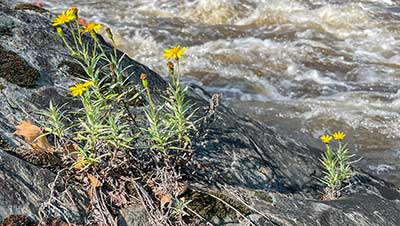
TVA has worked with others to help many endangered and threatened species:
- Ruth’s golden aster is a rare flower only found in the Hiwassee and Ocoee rivers
- Fish living in TVA reservoirs need good habitats to thrive.
- The sicklefin redhorse fish almost disappeared in the 1970s and ‘80s.
- Habitat restoration and energy development can work together.
- Boulder darters are making a comeback in Tennessee streams.
- Scientists monitor forest-loving bats.
Habitat Match
Match each animal to the habitat where it lives.
How to play: Drag an animal into its habitat — or tap an animal, then tap a habitat to place it.
Animals
Round complete!
Why this matters: Every animal depends on its habitat for food, water and shelter. Healthy land and water across the Tennessee Valley region keep biodiversity thriving — and protecting watersheds protects all of these animals at once.