'%3E%3Cmask id='b' fill='%23fff'%3E%3Cuse xlink:href='%23a'/%3E%3C/mask%3E%3Cuse fill='%23414141' xlink:href='%23a'/%3E%3Cg mask='url(%23b)' fill='%23414141'%3E%3Cpath d='M-160-170h300v300h-300z'/%3E%3C/g%3E%3C/g%3E%3C/g%3E%3C/svg%3E)
Nuclear
Safe nuclear energy is integral to our mission of powering the economic prosperity of the Tennessee Valley.
Our nuclear plants generate enough low-cost, clean, and reliable energy to power about 5.1 million homes and businesses. With a top priority of safety and security, nuclear power is key to achieving TVA’s mission of energy, environmental stewardship, and economic development to make life better for the Tennessee Valley.
Our Plants
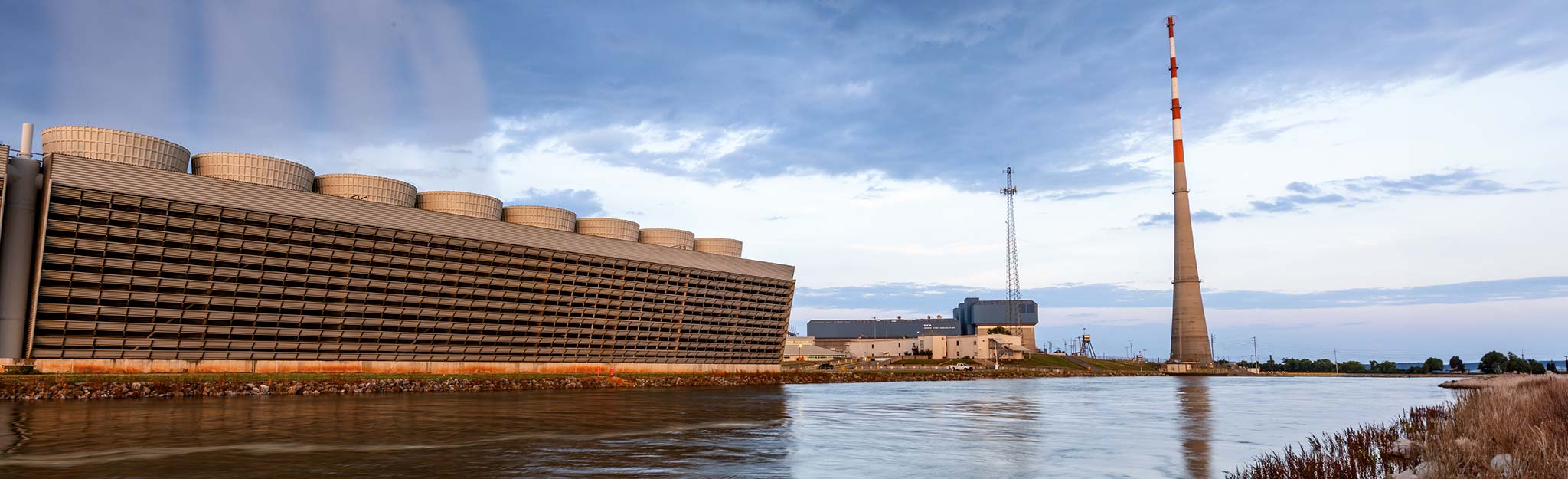
We operate three nuclear plants capable of generating an average of 8,600 megawatts of electricity:
- Browns Ferry, near Athens, Alabama
- Sequoyah, in Soddy-Daisy, Tennessee
- Watts Bar, near Spring City, Tennessee
How Browns Ferry Works
How Sequoyah & Watts Bar Work
Why Nuclear?
- Nuclear power is the best option for generating large amounts of electricity that's safe, clean, reliable, and cost-effective—allowing us to keep our rates competitive and reliability high.
- Nuclear power is environmentally friendly and doesn't produce harmful greenhouse gas emissions.
- Nuclear power plants run economically, second only to hydroelectric power, with low operating costs. Combined with our renewable energy and energy efficiency efforts, increasing nuclear generation allows us to reduce reliance on coal, decrease air emissions and provide reliable, affordable power to the people of the Tennessee Valley.
Yes! Nuclear power is very safe. It does not release smoke into the air. The white clouds you may see from the towers are water vapor. Nuclear plants do create heat and radiation. This radiation is carefully controlled and contained. Plants keep radiation from escaping with multiple layers of protection, such as:
- Metal tubes called fuel rods
- Thick steel and heavy-duty metal piping
- Reinforced concrete walls and roof
We get small amounts of radiation every day, from the sun, TVs – even some foods! We use radiation to help treat people who are sick or to see inside the body with X-rays. But too much radiation can cause health problems, like cancer. That’s why safety for employees and the people who live near nuclear plants are taken so seriously.
While nuclear power does release some radioactivity, you might be surprised to learn just how little exposure this produces for the average American. Today, a person in the U.S. receives an average exposure to radiation of about 350 millirems per year. This comes from both natural sources, like minerals in the soil, and man-made sources like televisions or X-rays.
Radiation from all commercial nuclear energy power plants has averaged only 0.01 millirem per person each year. That's a fraction of the total average radiation Americans are exposed to in their regular daily lives.
TVA Nuclear works very hard to keep everyone safe. The people who work there are trained really well, so it is very unlikely that any radiation would ever get out by accident. But just to be extra safe, TVA practices what to do in an emergency. They work with local police, fire fighters and the local government to practice drills, so everyone knows what to do if something ever happens.
Safety—Our Top Priority
Our nuclear plants have multiple safety systems in place to keep our workforce and the communities we serve safe. Safety systems include physical barriers that protect against radiation release and layer upon layer of redundant and diverse backup power systems to keep reactors sufficiently cooled—even in the most extreme or unlikely events.
The nuclear industry is among the most thoroughly tested and regulated industries in the world. Our plants operate with oversight by the U.S. Nuclear Regulatory Commission (NRC), which has inspectors physically stationed at each site.
Industry organizations, such as the Institute of Nuclear Power Operations and the World Association of Nuclear Operators, work to ensure that the industry achieves the highest level of safety and reliability through plant evaluations, training, accreditation, events analysis, and information exchange.
U.S. nuclear plants are well designed to withstand natural disasters like floods, droughts, earthquakes, and hurricanes—as well as man-made threats such as aircraft crashes. After the event at Fukushima in Japan, the NRC required all nuclear plants to install additional backup safety equipment, known as FLEX, to protect plants from even more extreme events—including “stacked” events during which one disaster follows another.
In 2014, the industry opened national response centers in Memphis and Phoenix that can deliver additional safety equipment and resources to any U.S. nuclear power plant within 24 hours.
TVA nuclear regularly reviews nuclear successes and setbacks across the globe, and we use that knowledge to update our equipment, procedures, and training to the highest standards.
Emergency Preparedness
While our strong commitment to safety, high operating standards and highly trained workforce make a radiation leak or other incident unlikely, emergency preparedness is central to TVA Nuclear operations. Those preparations include emergency procedures, supply checklists, evacuation instructions and evacuation routes.
Nuclear Calendars
Our annual nuclear calendars are full of information about emergency preparedness, evacuation routes, siren testing and more.
2026
Browns Ferry Nuclear 2026 Calendar

Clinch River Nuclear Site
TVA is developing advanced nuclear technology at a 1,200-acre site in Roane County. Learn more about the Clinch River site and find the latest updates on the project.
Advanced Nuclear Solutions
TVA is looking toward advanced technologies to provide affordable, reliable, resilient and sustainable energy for the 2030s and beyond.