'%3E%3Cmask id='b' fill='%23fff'%3E%3Cuse xlink:href='%23a'/%3E%3C/mask%3E%3Cuse fill='%23414141' xlink:href='%23a'/%3E%3Cg mask='url(%23b)' fill='%23414141'%3E%3Cpath d='M-160-170h300v300h-300z'/%3E%3C/g%3E%3C/g%3E%3C/g%3E%3C/svg%3E)
TVA Transmission Projects
As Power Demand Grows, So Does the Need for New Transmission Lines
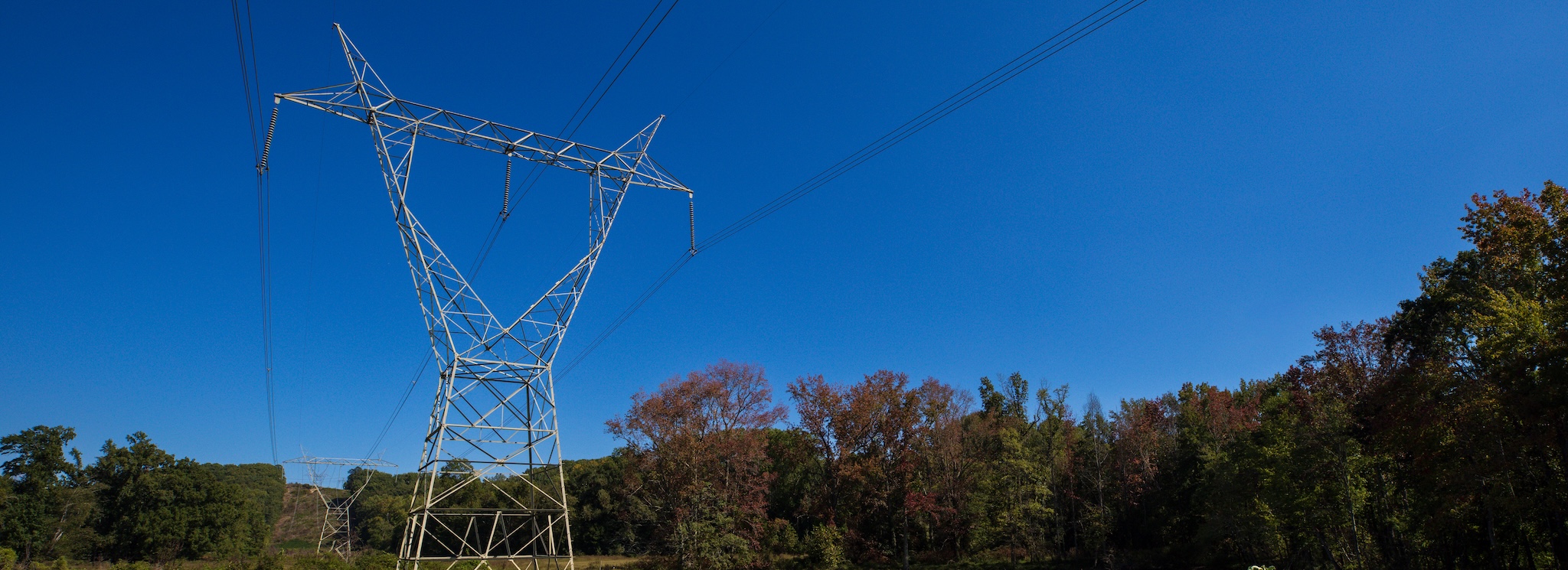
As demand for electricity grows, so, too, does TVA’s need to build new transmission lines and substations that will connect even more power from our generating plants to local power companies to the 10 million people who live and work in the Tennessee Valley region. TVA’s transmission siting process is comprehensive and looks for solutions that will have the least overall impact on people, communities and the environment.
A Positive Impact
Reliable power is something we all depend on. It allows our homes, businesses, schools and hospitals to operate. New transmission lines and substations benefit the greater community, because they help ensure that TVA can continue to provide affordable, reliable power across the region. Additionally, the power TVA generates – and that travels through our 16,400 miles of transmission lines – helps bring economic development and prosperity to the region.
Current TVA Transmission System Projects
Click a state name to see that state's projects.
Belmont Stage 2, Mississippi (Clay, Lowndes, and Oktibbeha Counties)
Beulah Grove, Mississippi (Pontotoc County)
Macon, Mississippi (Midway-South Macon)
Nettleton, Mississippi (Lee County)
North Oakland-Coffeeville, Mississippi
Olive Branch, Mississippi (Mineral Wells-West Pleasant Hill)
RailHub-South, Mississippi (Alcorn County)
109 North, Tennessee (Sumner County)
Appalachia Area Improvement, Tennessee and North Carolina
Bristol, Tennessee (South Bristol)
Cates Landing (Lake County, Tennessee)
Fall Creek, Tennessee (Wilson and Rutherford Counties)
Gallatin, Tennessee (North Gallatin)
Lewis Chapel, Tennessee (Dunlap)
Lexington, Tennessee (West Lexington-Jacks Creek)
Tiny Town Road, Tennessee (Clarksville)
Tiptonville, Tennessee (Tiptonville-New Madrid No. 2)
Tullahoma, Tennessee (Center Grove)
Waldens Creek, Tennessee (Sevier County)
West Tennessee Power System Improvements (Fayette, Haywood, and Tipton Counties)
About TVA's Transmission Siting Process
TVA uses a comprehensive siting process that places transmission lines and substations in locations that satisfy transmission needs, meet technical requirements and consider the impacted area. The process includes:
Transmission Planning
Analyzing transmission system changes, evaluating multiple project alternatives and identifying the best overall transmission solution
Transmission Siting
Defining the specific study area, identifying feasible route options, engaging the public for feedback, communicating directly with landowners and selecting the route that has the least overall impact
Environmental
Identifying environmental/cultural impacts of route options, minimizing or mitigating potential impacts and ensuring compliance with regulations
Survey
Contacting landowners before survey work and conducting field surveys to determine the centerline
Realty
Conducting property title research, engaging licensed property appraisers, preparing legal documents for acquisition and presenting the offer to landowners
Right of Way
Identifying and installing access, clearing vegetation and performing site restoration
Construction
Following selected routes and access roads to minimize impact, constructing lines and structures with precision, and arranging engineering verification.